Politicians’ rapid defense of Israel often tracks a simple reality: campaign money
New York, NY – When Israel or Gaza enters the political conversation, many U.S. politicians respond with a familiar script: quick, emphatic declarations of support for Israel, paired with sharp denunciations of critics. The speed and certainty can look ideological, but campaign finance watchers say it also reflects incentives created by modern political spending.
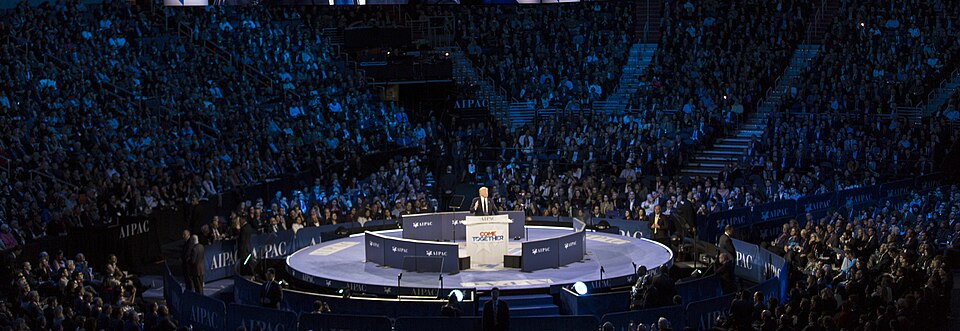
In recent election cycles, the American Israel Public Affairs Committee, better known as AIPAC, moved aggressively into electoral politics, building a traditional PAC and an aligned super PAC ecosystem after decades of staying formally out of direct candidate giving. (FactCheck.org) AIPAC’s PAC states its mission is to support “pro-Israel” candidates of both parties to strengthen the U.S.-Israel relationship. (AIPAC PAC)
A national warning shot: spend big, shape the debate
The most visible example came in the 2024 Democratic primary in New York’s 16th congressional district, where Jamaal Bowman faced George Latimer. Reuters reported that a pro-Israel group associated with AIPAC spent nearly $2 million on ads in a single week attacking Bowman as the contest became a “battleground” over Israel policy. (Reuters) Broader reporting described the race as one of the most expensive House primaries on record, fueled in significant part by AIPAC-aligned spending aimed at defeating a candidate who had criticized Israel’s actions in Gaza. (Politico)
The lesson traveled well beyond one district: politicians, consultants, and donors watched what happened when criticism of Israel collided with millions in independent expenditures.
A similar dynamic unfolded in Missouri, where Cori Bush lost a primary after an unusually expensive outside-spending barrage. Roll Call reported $15.6 million in outside spending in the race, and multiple outlets tied a substantial share of the anti-Bush spending to pro-Israel aligned groups mobilized against her criticism of Israel’s war in Gaza. (Roll Call)
The incentive: avoid becoming a target, signal you are “safe”
There is no single donor group that controls political speech, and support for Israel is sincerely held by many voters and officials. But the scale and speed of modern independent spending changes behavior even without a direct quid pro quo.
In practice, campaign finance analysts describe a deterrence effect: officeholders learn that certain positions can trigger well-funded opposition, while unwavering pro-Israel messaging can reduce risk and open fundraising doors. AIPAC and its allies say their electoral engagement is designed to help elect lawmakers who share their priorities and will support the U.S.-Israel relationship. (AIPAC PAC) Critics argue that the same model can narrow debate by making some viewpoints financially hazardous. (The Guardian)
City Hall echoes: Ariola and Paladino lean into the national fight
While AIPAC’s spending is focused on federal races, the messaging incentives often spill into local politics, particularly in a media environment where national issues can define a politician’s brand.
In Queens, Council Member Vickie Paladino posted in December 2023: “We can have a ceasefire the minute Hamas surrenders,” a line that circulated widely online as the ceasefire debate intensified. (X (formerly Twitter))
Council Member Joann Ariola, along with the City Council’s Republican caucus, pressed Mayor Zohran Mamdani in January 2026 for details about the rollback of executive orders tied to Israel and antisemitism policy, framing the move as a serious public concern and demanding documentation about the decision-making process. (Politics NY)
Neither episode proves that any single statement was made “to get AIPAC money.” But together with the national trend, they illustrate why many politicians rush to be seen on one side of the Israel debate. In a political marketplace where outside groups can spend millions quickly, silence can look risky, and nuance can look like vulnerability.