Valentina Gomez’s Pro-Israel Turn Draws Scrutiny as Texas Primary Nears
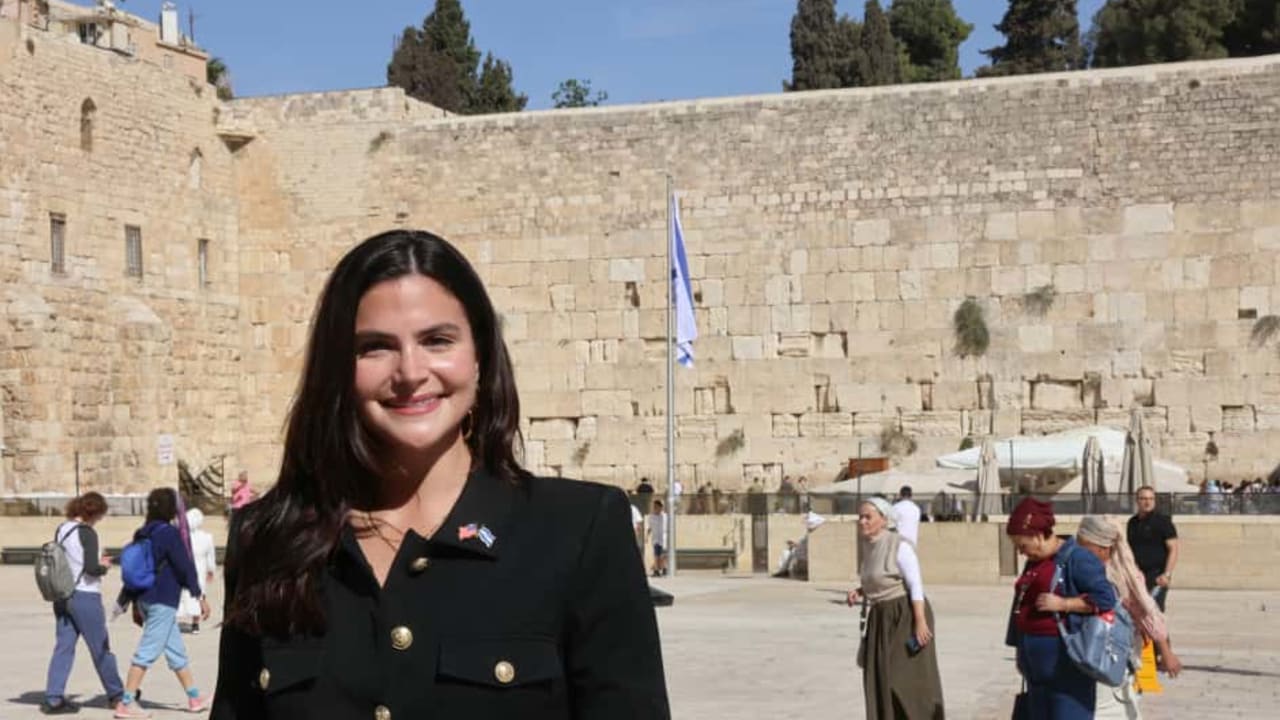
New York, NY – Valentina Gomez, a Republican candidate for Texas’s 31st Congressional District, has drawn national attention for incendiary rhetoric and controversial campaign tactics as she seeks to challenge incumbent Rep. John Carter in the March 3, 2026 Republican primary. Her shift from a failed 2024 Missouri statewide bid to running in Texas has been accompanied by an increasingly hard-line posture on foreign policy and domestic Islam-related issues, raising questions about her motivations and appeal to right-wing donor networks.
Gomez, a Colombian-American who ran unsuccessfully for Missouri Secretary of State in 2024, is now on the ballot in Texas, where she has increasingly intertwined pro-Israel and anti-Islam messaging into her campaign. According to election records and candidate registries, she is running among a crowded Republican field that includes Carter, a long-time incumbent, and several other GOP challengers. (Ballotpedia)(Ballotpedia)
Her campaign has been marked by viral social media posts and public stunts that blend extreme rhetoric with attempts to draw national attention. In August 2025 she posted a video burning a copy of the Quran with a flamethrower and vowed to “end Islam” in Texas, a clip widely reported by international outlets and criticized as hate speech. (Times of Israel; NDTV)(The Times of Israel)
In October 2025, Gomez traveled to Israel and posted footage of herself at the Gaza border watching Israeli Defense Forces strikes, captioned with “let the fireworks begin,” which was reported by The Jerusalem Post and underscored her vocal support for Israeli military actions. (Jerusalem Post)(Jerusalem Post)
Campaign statements and publicly available videos show Gomez tying her support for Israel to her opposition to Islam in the United States, though she has not publicly detailed specific foreign policy positions on the House floor or via formal platforms. Her rhetoric has drawn condemnation from civil rights groups and some Republican leaders. Critics argue such stunts aim less at substantive policy debate than at gaining visibility and appealing to fringe donors and audiences.
Political analysts note that extremist campaigning may generate short-term online attention, but does not necessarily translate into traditional political support or major endorsements. Mainstream Republican and pro-Israel advocacy groups, such as AIPAC, have not publicly endorsed her candidacy, and several leading Jewish organizational figures have distanced themselves from inflammatory statements that target religious groups. At least one community religious leader in Israel publicly stated he did not support Gomez’s controversial video content. (Jerusalem Post)(Jerusalem Post)
There is no indication that Gomez has been formally expelled from the Republican Party; however, she has been banned from some party events and faced criticism within GOP circles for her statements, as reported by recent news accounts. (Yahoo News)(Yahoo)
Supporters of Gomez argue her strong rhetoric reflects a commitment to national security and cultural values, and they see her Israel-aligned messaging as consistent with a pro-Trump, MAGA-aligned base. Others, including local Republican operatives and political scientists, contend that her tactics may alienate mainstream voters and raise legal and ethical concerns about inciting religious animosity.
Her campaign’s fundraising disclosure shows modest receipts relative to better-established challengers, and she trails in cash on hand, indicating limited financial backing from traditional political donors. (Wikipedia)(Wikipedia)
As the primary approaches, Gomez’s rise highlights broader tensions within Republican politics over how far candidates will go to leverage cultural and geopolitical issues for attention and financial support. Whether her controversial strategy resonates with voters or remains a fringe phenomenon will be tested at the polls, leaving unresolved questions about the role of extreme rhetoric in shaping the future direction of GOP primaries.
Sources used:
- Ballotpedia profile for Valentina Gomez Noriega (Ballotpedia)
- Times of Israel on Quran video (The Times of Israel)
- NDTV feature on extremist content (www.ndtv.com)
- The Jerusalem Post on Israel trip (Jerusalem Post)
- Yahoo News on party bans (Yahoo)
- 2026 Texas elections data (Wikipedia)