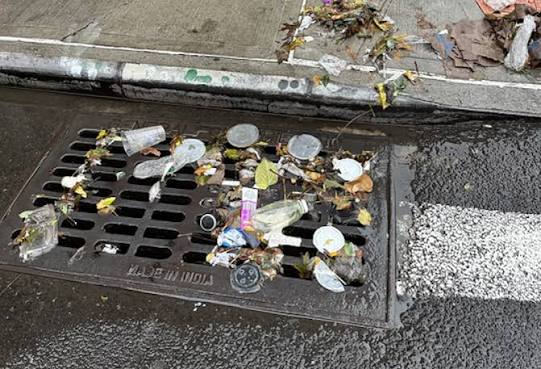
Flood Kits Are Not Enough if Storm Drains Stay Clogged
As another flood season approaches, New York City officials are once again assuring residents that they are "doing everything in our power" to keep neighborhoods safe. Press events are being held, flood kits are being distributed, and town halls are scheduled to teach residents how to prepare for the next major storm.
By Mitch Thorne ·
July 15, 2026 · 286 views
New York, NY - As another flood season approaches, New York City officials are once again assuring residents that they are "doing everything in our power" to keep neighborhoods safe. Press events are being held, flood kits are being distributed, and town halls are scheduled to teach residents how to prepare for the next major storm.
But many New Yorkers are asking a simple question: if City Hall is truly doing everything possible, why do so many storm drains remain clogged before heavy rain arrives?
Flood preparedness begins long before a storm reaches the city. The first line of defense is a drainage system capable of carrying water away from streets and homes. Leaves, garbage, sediment, and other debris can reduce the effectiveness of catch basins, allowing water to pool quickly and increasing the risk of street flooding. Residents across the five boroughs regularly report blocked drains that remain uncleared for weeks or months.
Distributing flood kits may help homeowners respond after flooding begins, but it does little to prevent flooding in the first place. Sandbags, flashlights, and emergency supplies are useful, but they are reactive measures. Preventive maintenance, including inspecting and cleaning storm drains before forecasted heavy rains, should be a basic responsibility of city government.
The city has invested billions of dollars in long-term resiliency projects since Hurricane Ida devastated neighborhoods in 2021. Those investments are important and necessary. However, large infrastructure projects do not replace routine maintenance. Communities should not have to wonder whether the catch basin on their block will function when the next storm arrives.
Public officials often highlight preparedness campaigns because they are visible and easy to promote. Yet residents judge government by results, not photo opportunities. A clean, functioning storm drain may never generate headlines, but it can make the difference between a passable street and a flooded basement.
Flood resilience requires more than handing out emergency kits. It requires consistent maintenance, accountability, and a commitment to addressing preventable problems before they become disasters. If New York City truly wants to keep neighborhoods safe this flood season, ensuring storm drains are inspected and cleaned should be one of the first priorities, not an afterthought.